Choosing the right lighting for your kitchen is crucial for creating a functional and inviting space. When considering how to choose the perfect pendant lights for your kitchen, you should think about the style, size, and purpose of the lights.
Pendant lights are not just a source of illumination; they can also serve as a statement piece that enhances your kitchen’s overall design. The kitchen, often referred to as the heart of the home, is where families gather to cook, eat, and socialize.
Therefore, it’s essential that the lighting you choose not only meets your practical needs but also reflects your personal style and enhances the ambiance of the space.
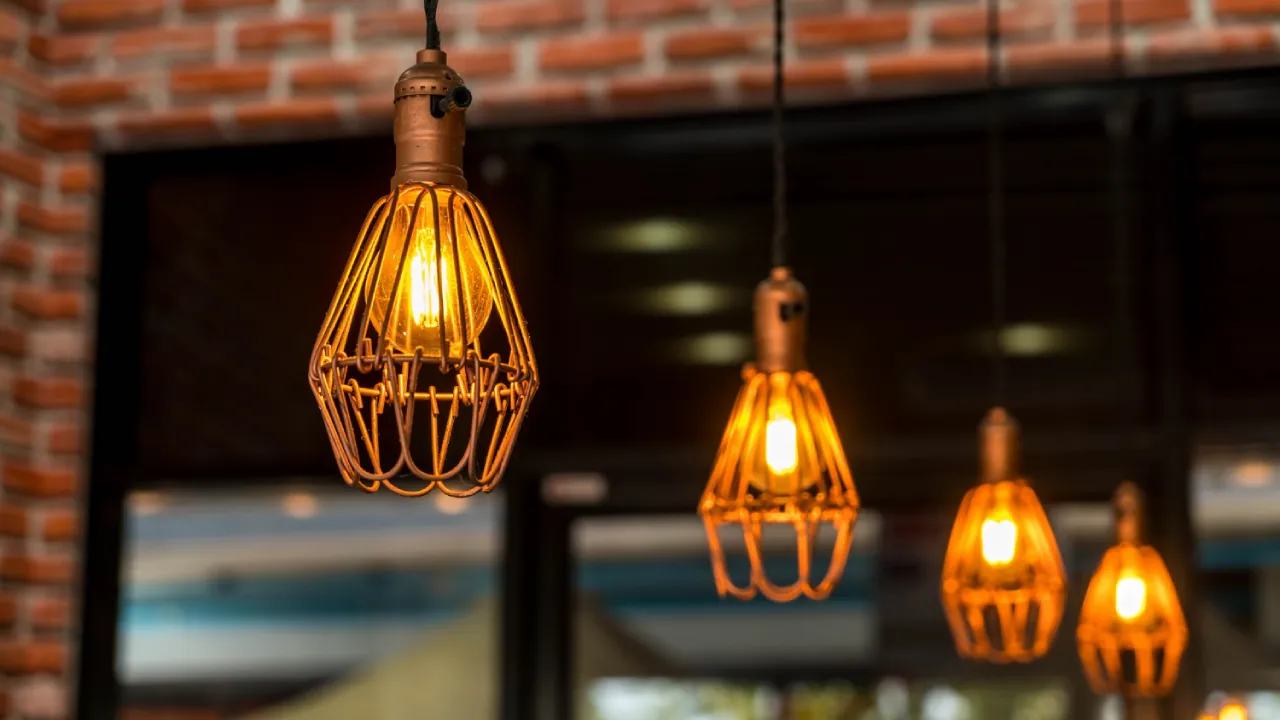
In today’s home design landscape, lighting has evolved into a significant design element rather than just a necessity. Pendant lights have become increasingly popular for their versatility and ability to add character to a room.
From contemporary to rustic designs, pendant lights can complement a variety of kitchen styles. When selected thoughtfully, these fixtures can highlight key areas in your kitchen, provide necessary task lighting, and add an inviting glow that makes your kitchen a more enjoyable place to spend time.
This comprehensive guide will cover all the essential factors to consider when selecting pendant lights for your kitchen. From understanding the purpose of these fixtures to installation tips and maintenance, I will provide you with all the information you need to make an informed decision.
By the end of this article, you’ll have a clear understanding of how to choose the perfect pendant lights that suit your kitchen and lifestyle.
Contents
- 1. Understanding the Purpose of Pendant Lights
- 2. Types of Pendant Lights
- 3. Style Considerations
- 4. Size Matters
- 5. Choosing the Right Finish
- 6. Consider the Bulb Type
- 7. Wiring and Installation
- 8. Placement Tips
- 9. Maintenance and Cleaning
- 10. Popular Pendant Light Brands
- 11. Budgeting for Your Pendant Lights
- Final Thoughts
- Frequently Asked Questions (FAQs)
1. Understanding the Purpose of Pendant Lights
Before diving into styles and designs, it’s important to understand why you want pendant lights in your kitchen. Here are some common purposes:
- Task Lighting: Provides focused light for activities like cooking and prepping food. In a busy kitchen, where precision is key, having adequate task lighting can make all the difference. Pendant lights can be strategically placed over the island or workspaces to illuminate cutting boards, stoves, and other essential areas.
- Ambient Lighting: Creates a warm, inviting atmosphere. The right pendant lights can set the mood for your kitchen. Whether you’re hosting a dinner party or enjoying a quiet meal with family, the ambient light will help create the desired atmosphere.
- Decorative Element: Acts as a focal point or accent in your kitchen design. Pendant lights come in various shapes, sizes, and styles, making them a perfect opportunity to showcase your personal taste. A well-chosen pendant light can serve as a conversation starter and elevate the overall look of your kitchen.
Pro Tip:
Consider the main activities you perform in your kitchen. This will help you determine the best type of pendant lighting to install. For example, if you frequently entertain, you might prioritize ambient lighting, while if you do a lot of cooking, task lighting should take precedence.
2. Types of Pendant Lights
When choosing pendant lights, familiarize yourself with the different types available. Here are some popular options:
Type | Description | Best For |
Single Pendant | One light source, ideal for smaller spaces. | Over kitchen islands or tables. |
Multi-Light Pendant | Several bulbs in one fixture, providing ample light. | Large dining areas or kitchen islands. |
Mini Pendant | Smaller, often used in groups for more light. | Tight spaces or clusters. |
Drum Shade | A fabric or metal shade that diffuses light. | Soft ambient lighting. |
Chandelier Pendant | A more decorative style with multiple arms. | Statement lighting. |
Example:
If you have a large kitchen island, a multi-light pendant can effectively illuminate the entire area, making it functional and stylish.
What are the types of pendant lights?
Here are the pendant light types you should go for:
1. Single Pendant Lights: These are typically hung alone and can be a great choice for smaller kitchens or to highlight specific areas. For example, placing a single pendant light over a cozy breakfast nook can create an intimate setting.
2. Multi-Light Pendants: These fixtures often consist of several lights that work together to provide ample illumination. They are particularly effective over larger kitchen islands or dining tables, ensuring that every corner is well-lit.
3. Mini Pendants: If you have limited space, mini pendants are an excellent option. They can be hung in clusters or rows to create a stylish arrangement. For instance, a trio of mini pendants over a kitchen island can provide adequate light while adding a modern touch.
4. Drum Shade Pendants:
These lights offer a softer glow and are perfect for creating a warm atmosphere. They come in various colors and materials, allowing for customization that can fit different kitchen styles.
5. Chandelier Pendants:
These are often larger and more ornate, making them perfect as a focal point in more spacious kitchens. They can add a touch of elegance and sophistication to your kitchen decor.
3. Style Considerations
When choosing pendant lights for your kitchen, the style should complement your existing decor. Here are a few popular styles:
- Industrial: Features raw materials like metal and Edison bulbs, perfect for a modern or urban kitchen. Industrial pendant lights often have a rugged appearance, making them suitable for loft-style or contemporary kitchens. Their exposed bulbs and utilitarian design can add character and a touch of vintage charm.
- Farmhouse: Often made of wood or distressed finishes, these lights add a cozy feel. Farmhouse pendant lights are typically characterized by their rustic appeal, making them ideal for country-style kitchens. They can create a warm and inviting atmosphere, especially when paired with natural wood cabinetry.
- Modern/Minimalist: Simple designs with clean lines work well in contemporary kitchens. These pendant lights often feature geometric shapes and sleek finishes, which help maintain a clutter-free aesthetic. They focus on functionality and simplicity, making them perfect for a minimalist design approach.
- Traditional: Ornate fixtures that add elegance and charm. Traditional pendant lights often feature intricate designs, luxurious materials, and a timeless look. They are suitable for classic or transitional kitchens, providing a touch of sophistication to the space.
Fact:
According to a survey by the American Institute of Architects, 79% of architects noted a growing trend toward modern and minimalist designs in kitchens. This trend emphasizes the importance of choosing lighting that not only illuminates but also serves as a key design element.
4. Size Matters
The size of your pendant lights should be proportional to your kitchen space. Here are some tips for selecting the right size:
- Height: Pendant lights should hang about 30 to 36 inches above the countertop or table. If you have a high ceiling, you may want to hang them a bit higher, while lower ceilings may require adjusting them lower to maintain visibility and prevent obstruction.
- Diameter: For islands, choose pendants that are 12 inches or more in diameter. Larger pendants can serve as a statement piece, while smaller pendants work well in groups.
- Spacing: If using multiple pendants, space them about 24 to 30 inches apart. This spacing allows for adequate light distribution without overcrowding the space.
Space Type | Height Above Surface | Diameter |
Kitchen Island | 30 – 36 inches | 12 inches or more |
Dining Table | 30 – 36 inches | Varies based on table size |
Breakfast Bar | 28 – 34 inches | 10 – 12 inches |
Example:
If you have an expansive kitchen island, consider a larger diameter pendant or multiple smaller ones spaced evenly apart. This arrangement will ensure that the light effectively illuminates the entire surface while also serving as a visual focal point.
5. Choosing the Right Finish
The finish of your pendant lights can greatly affect the overall look. Consider the following options:
- Brushed Nickel: Offers a modern touch and works well with stainless steel appliances. This finish is resistant to fingerprints and scratches, making it an ideal choice for busy kitchens.
- Oil-Rubbed Bronze: Adds warmth and depth, great for traditional or rustic kitchens. Its rich color can create a cozy atmosphere and pairs well with wooden elements.
- Polished Chrome: Adds warmth and depth, great for traditional or rustic kitchens. Its rich color can create a cozy atmosphere and pairs well with wooden elements.
- Matte Black: Bold and versatile, can fit in various design themes. Matte black finishes are trending and can add a dramatic touch to your kitchen, particularly when paired with contrasting colors.
Pro Tip:
Mixing finishes can create a unique look. For example, you can pair brushed nickel pendant lights with matte black cabinet hardware for a stylish contrast. This combination can add depth and interest to your kitchen design.
6. Consider the Bulb Type
The type of bulb you choose can influence the ambiance and functionality of your kitchen. Here are common bulb types for pendant lighting:
- LED Bulbs: Energy-efficient and long-lasting, they provide bright light and come in various colors. They can last up to 25,000 hours and significantly reduce energy costs.
- Incandescent Bulbs: Energy-efficient and long-lasting, they provide bright light and come in various colors. They can last up to 25,000 hours and significantly reduce energy costs.
- Halogen Bulbs: Energy-efficient and long-lasting, they provide bright light and come in various colors. They can last up to 25,000 hours and significantly reduce energy costs.
Fact:
Using LED bulbs can save you up to 80% on your lighting energy costs over time. Additionally, they generate less heat, making them a safer option, especially in a kitchen environment where heat can be a concern.
Bulb Type | Lifespan | Energy Efficiency | Brightness | Color Temperature |
LED | Up to 25,000 hours | High | Very bright (varies) | 2700K – 6500K (warm to cool) |
Incandescent | ~1,000 hours | Low | Warm and inviting | 2700K (warm) |
Halogen | ~2,000 hours | Moderate | Bright, crisp light | 3000K (bright white) |
Example:
If you want to create a warm and inviting atmosphere for family gatherings, consider using LED bulbs with a color temperature of around 2700K. This will give your kitchen a cozy feel while keeping energy costs low.
7. Wiring and Installation
Before purchasing pendant lights, ensure your kitchen is properly wired for installation. Here are some key points to consider:
- Electrical Requirements: Check the wattage and voltage needed for the lights you choose. This will help avoid any compatibility issues. Most residential kitchens in the U.S. operate on a standard voltage of 120 volts, but it’s essential to confirm.
- Professional Installation: It’s often best to hire a licensed electrician for safe and proper installation. They can ensure that your lights are securely installed and that the wiring meets all safety codes.
Example:
If your kitchen has existing wiring, you can easily swap out old fixtures for new pendant lights without extensive renovations.
Pro Tip:
If you’re planning to install multiple fixtures or a complex arrangement, consult with your electrician about the best way to wire your lights to ensure even lighting and reduce the risk of overloading circuits.
8. Placement Tips
Proper placement is essential for both function and aesthetics. Here are some guidelines:
- Above the Kitchen Island: Center your pendant lights over the island for balanced lighting. If you have a long island, consider using multiple pendants spaced evenly apart to create an effective light distribution.
- Over the Dining Table: Center your pendant lights over the island for balanced lighting. If you have a long island, consider using multiple pendants spaced evenly apart to create an effective light distribution.
- Task Areas: Center your pendant lights over the island for balanced lighting. If you have a long island, consider using multiple pendants spaced evenly apart to create an effective light distribution.
Example:
When designing your kitchen lighting, if you opt for a multi-light pendant over the island, aim to center it both visually and in terms of light output. This way, every inch of your workspace gets the attention it deserves, making cooking and meal prep a breeze.
Pro Tip:
Use a dimmer switch to adjust the brightness of your pendant lights. This flexibility allows you to create the perfect atmosphere for any occasion.
9. Maintenance and Cleaning
Keeping your pendant lights clean is important for both function and appearance. Here are some simple maintenance tips:
- Regular Dusting: Dust your fixtures regularly to keep them looking new. Use a microfiber cloth to avoid scratching the surface.
- Wash Shades: If your pendant has a shade, wash it according to the manufacturer’s instructions. Most fabric shades can be vacuumed or wiped down, while glass shades may require a gentle wash with soap and water.
Fact:
Regular cleaning can extend the life of your fixtures and maintain their brightness. According to lighting professionals, dirty light fixtures can reduce brightness by up to 50%, making regular maintenance essential.
Pro Tip:
Consider setting a cleaning schedule every couple of months to ensure your pendant lights stay in top shape. This will help keep your kitchen bright and welcoming.
10. Popular Pendant Light Brands
Choosing the right brand can ensure quality and style. Here are some well-regarded brands to consider:
Brand | Features | Price Range |
West Elm | Modern designs, sustainable materials | $100 – $500 |
Wayfair | Wide selection, budget-friendly options | $50 – $300 |
Home Depot | Variety of styles, DIY-friendly | $30 – $400 |
Amazon | Convenient shopping, many choices | $20 – $600 |
Example:
If you’re looking for a unique and modern design, West Elm often features pendants with striking shapes and eco-friendly materials. Their designs can serve as a statement piece in your kitchen while adhering to sustainable practices.
11. Budgeting for Your Pendant Lights
Setting a budget for your pendant lights is essential. Here’s a breakdown of potential costs:
- Budget Lights: $20 – $100. These can be found at places like IKEA or Target, offering basic designs that can still look stylish.
- Mid-Range Lights: $100 – $300. Brands like Wayfair and Home Depot offer a variety of options that balance quality and affordability.
- High-End Lights: $300 and above. Designer brands or custom-made fixtures can fall into this category, providing unique designs that elevate your kitchen.
Pro Tip:
Don’t forget to factor in the cost of installation, especially if you plan to hire a professional. It’s wise to budget an additional 10% to 20% for installation and any necessary electrical work to ensure a seamless experience.
Final Thoughts
When it comes to how to choose the perfect pendant lights for your kitchen, consider the style, size, and purpose of the lights. Remember to keep your kitchen’s overall design in mind, ensuring that your pendant lights complement your space.
Studies show that lighting can influence mood and productivity. A well-lit kitchen can enhance your cooking experience and create a more enjoyable atmosphere.
By following this guide, you’ll be well on your way to selecting the perfect pendant lights that not only illuminate but also enhance your kitchen’s aesthetic appeal.
For more home decor ideas, visit authoritative blogs like Houzz and Architectural Digest for inspiration.
Pro Tip:
Feel free to explore various styles and options until you find the pendant lights that speak to you. The right lighting can transform your kitchen into the heart of your home.
Frequently Asked Questions (FAQs)
1. What are pendant lights?
Pendant lights are light fixtures that hang from the ceiling, typically suspended by a cord, chain, or rod. They provide both functional lighting and serve as decorative elements in a space.
2. How do I determine the right size of pendant lights for my kitchen?
To determine the right size, consider the height of your ceiling and the area where the lights will be placed. A good rule of thumb is to hang pendants 30 to 36 inches above counters or tables and choose a diameter of 12 inches or more for kitchen islands.
3. How many pendant lights do I need over my kitchen island?
The number of pendant lights depends on the size of your island. A general guideline is to use one pendant for every 2-3 feet of island length. For larger islands, consider using multiple smaller pendants or one large multi-light fixture.
4. What styles of pendant lights are best for a modern kitchen?
For a modern kitchen, consider styles such as minimalistic pendant lights, geometric designs, or industrial-style fixtures. Brushed metal finishes and sleek shapes often work well in contemporary settings.
5. Can I mix different styles of pendant lights in my kitchen?
Yes, mixing different styles can create an eclectic and unique look. Just ensure that the different styles share a common theme or color palette to maintain cohesion in your kitchen design.
6. What type of bulbs should I use in my pendant lights?
LED bulbs are highly recommended for pendant lights due to their energy efficiency and long lifespan. They are available in various color temperatures, allowing you to choose between warm and cool light.
7. How do I install pendant lights?
While installation can be done as a DIY project if you have experience with electrical work, it’s best to hire a licensed electrician for safety and to ensure proper wiring. They will ensure that your fixtures comply with local codes.
8. What is the best height to hang pendant lights above a kitchen island?
The ideal height for hanging pendant lights over a kitchen island is between 30 to 36 inches above the countertop. This height allows for adequate light while maintaining visibility for those seated at the island.
9. Are pendant lights energy-efficient?
Yes, especially when using LED bulbs, pendant lights can be very energy-efficient. LED bulbs consume less power and have a longer lifespan compared to traditional incandescent bulbs, leading to savings on energy bills.
10. Can pendant lights be used in small kitchens?
Absolutely! In small kitchens, mini pendants or single pendant lights can be an excellent choice. They provide focused lighting without overwhelming the space and can be used in clusters for a stylish look.
11. What is the difference between ambient lighting and task lighting?
Ambient lighting provides overall illumination to a room, while task lighting focuses on specific areas to enhance visibility for tasks such as cooking or reading. Pendant lights can serve both purposes depending on their placement and design.
12. How do I clean and maintain my pendant lights?
Regularly dust your pendant lights with a microfiber cloth to remove dust and dirt. For fixtures with shades, follow the manufacturer’s cleaning instructions, which may involve gentle washing or vacuuming.
13. What materials are commonly used for pendant lights?
Pendant lights can be made from various materials, including metal, glass, wood, and fabric. Each material can create a different aesthetic, so consider what complements your kitchen’s decor.
14. Can I use pendant lights in other areas of my home?
Yes, pendant lights can be used in various areas, including dining rooms, entryways, and living spaces. They are versatile fixtures that can enhance the design of any room.
15. What are some current trends in pendant lighting?
Current trends include the use of bold colors, mixed materials, and eco-friendly designs. Additionally, geometric shapes and oversized pendants are gaining popularity, making a statement in modern interiors.