If you love baking at home like I do, you already know how important the right tools are. Over the years, I’ve tested dozens of mixers in different kitchens, and I can confidently say that choosing the best stand mixers for home bakers every budget can completely change your baking experience.
Whether you’re making soft cakes, kneading bread, or whipping cream, the right mixer saves time and effort.
As a kitchen design expert, I also look at how appliances fit into a modern kitchen layout. A good stand mixer is not just about performance — it should also blend with your countertop, storage, and workflow.
In this guide, I’ll walk you through everything you need to know, from choosing the right model to the top picks across budgets.
A stand mixer is more than just a kitchen gadget. It is one of the most useful tools for anyone who enjoys baking regularly.
From my experience designing kitchens, I always recommend allocating space for a countertop mixer because it improves both efficiency and comfort.
When you use a stand mixer, you avoid the strain of mixing by hand.
According to baking industry data, using a mixer can reduce prep time by up to 40%, especially when making dough or batter in large quantities. This is why many home bakers upgrade from hand mixers within the first year.
Another reason I always suggest investing in one is consistency. For example, when making bread dough, hand mixing can lead to uneven texture. But a powerful mixer ensures smooth and even kneading every time, making it the best mixer for bread dough in most home setups.
Types of Stand Mixers You Should Know:
Here are some of the types of mixers you should be knowing:
1. Tilt-Head Mixers
A tilt-head mixer is the most common type you’ll find in home kitchens. The head tilts back, making it easy to access the bowl and attachments. I usually recommend this for beginners or casual bakers because it’s simple and user-friendly.
These mixers are ideal for small to medium batches. For example, if you bake cakes, cookies, or cupcakes regularly, a tilt-head model is perfect. It also takes up less vertical space, which is great for compact kitchens.
However, it may struggle with very heavy dough. So if you plan to bake artisan bread often, you might want to consider a more powerful option.
2. Bowl-Lift Mixers
A bowl-lift mixer is designed for heavier tasks and larger batches. Instead of tilting the head, the bowl moves up and down using a lever. This design offers more stability, especially when kneading dense dough.
I often suggest these mixers for serious bakers or large families. For example, if you make multiple loaves of bread at once, a bowl-lift mixer will handle the workload easily.
They are also considered closer to a professional stand mixer, often used in small bakeries or advanced home kitchens.
3. Compact and Mini Mixers
If you have limited counter space, compact mixers are a great choice. These are smaller, lighter, and easier to store. I’ve used them in apartment kitchens where space optimization is critical.
While they may not be as powerful, they still handle basic tasks like whipping cream and mixing cake batter. For beginners, they offer a budget-friendly entry point into stand mixers.
Key Features to Look for in a Stand Mixer:
Here are some of the key features of stand mixers you should be knowing:
1. Motor Power and Performance
The motor is the heart of any mixer. I always recommend checking the wattage before buying. A good home mixer typically ranges between 300 to 600 watts.
For example, if you mainly bake cakes, a 300-watt mixer works fine. But for bread dough, you’ll need at least 500 watts for smooth performance. This is especially important if you want a reliable stand mixer comparison between models.
A strong motor also ensures durability. Many high-quality mixers last over 10 years with proper care, making them a smart long-term investment.
2. Bowl Capacity
Bowl size matters more than most people think. I usually suggest choosing based on your baking habits.
3–4 quarts: Ideal for small households
5–6 quarts: Best for regular home baking
7+ quarts: Suitable for large batches
For example, if you bake for guests often, a larger bowl saves time by allowing you to mix everything in one go.
3. Attachments and Versatility
One of the biggest advantages of stand mixers is the variety of stand mixer attachments available. Most mixers come with:
Dough hook
Flat beater
Wire whisk
But many models also support additional attachments like pasta makers, meat grinders, and food processors.
Brands like KitchenAid are especially known for their wide range of attachments. This makes them a multi-purpose tool rather than just a mixer.
4. Speed Settings
A good mixer should have multiple speed settings. Most models offer between 6 to 10 speeds, allowing you to control mixing precision.
For example, low speed is perfect for kneading dough, while high speed is ideal for whipping cream. Having this flexibility ensures better results for different recipes.
Best Stand Mixers for Home Bakers Every Budget:
Here are some of the best stand mixers you should go for:
1. Budget-Friendly Options (Under $150)
If you’re just starting out, you don’t need to spend a lot. There are several good mixers available in this range.
In my experience, these mixers are great for light baking tasks. For example, making pancakes, cookies, and simple cakes works perfectly fine. However, they may not handle heavy dough consistently.
Still, for beginners, they are a great way to explore baking without a big investment.
2. Mid-Range Mixers ($150–$300)
This is where you start seeing real performance improvements. A good stand mixer under 300 offers better motor power, durability, and more attachments.
I often recommend this range for regular home bakers. For example, if you bake weekly, this category provides the perfect balance between price and performance.
Many popular models in this range are also part of detailed KitchenAid mixer review discussions online, showing their reliability and popularity.
3. Premium and Professional Mixers ($300+)
If you’re serious about baking, investing in a professional stand mixer is worth it. These models offer powerful motors, large bowls, and long-lasting build quality.
From my design perspective, these mixers also add a premium look to your kitchen. For example, a stainless steel mixer on a marble countertop creates a clean, modern aesthetic.
They are especially useful for advanced baking tasks like sourdough, large batches, and heavy dough mixing.
What is the best stand mixer for home bakers?
The best stand mixer depends on your budget and baking needs. For most home bakers, a 5-quart tilt-head mixer with at least 300–500 watts offers the best balance of performance and price. Premium users may prefer bowl-lift mixers for heavy dough and large batches.
When choosing the best stand mixer, focus on motor power, bowl size, and versatility. Home bakers benefit most from mixers that support multiple attachments and offer consistent speed control. Modern stand mixers are designed to handle a wide range of tasks, making them an essential appliance in today’s kitchens. Selecting the right model improves efficiency, saves time, and ensures better baking results.
How Stand Mixers Fit Into Modern Kitchen Design?
From a design perspective, I always tell my clients to think about both function and style. A stand mixer is often kept on the counter, so it becomes part of your kitchen’s visual appeal.
For example, placing your mixer near your prep area creates a smooth workflow. This is especially useful when following recipes that require multiple steps.
Another idea I often suggest is using an appliance garage. This allows you to store your mixer neatly while keeping it easily accessible. It’s a smart solution for maintaining a clean and clutter-free kitchen.
Color coordination also plays a big role. Many mixers come in different finishes, so you can match them with your cabinets, backsplash, or countertops for a cohesive look.
What to Avoid When Buying a Stand Mixer?
Many buyers focus only on price, but that can lead to problems later. I’ve seen people buy cheap mixers that fail within a year, especially when used for heavy tasks.
One common mistake is ignoring motor power. A low-powered mixer may struggle with dough and overheat quickly.
Another issue is choosing the wrong size. A mixer that’s too small limits your baking capacity, while a very large one may feel bulky in a small kitchen.
Lastly, always check for warranty and build quality. A well-built mixer can last for years, making it a better investment overall.
Top Stand Mixers You Can Buy in 2026 (Detailed Reviews):
Here are some of the best stand mixers you must buy for your kitchen:
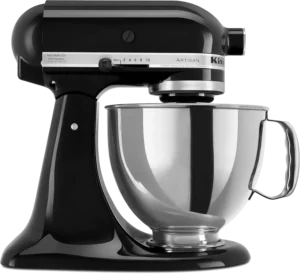
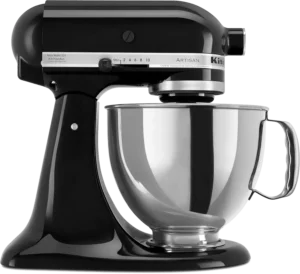
1. KitchenAid Artisan Series 5-Quart (Best Overall Choice)
When people ask me for one safe recommendation, I almost always point to the KitchenAid Artisan Series. It has been a trusted choice for years, and even in 2026, it remains one of the best stand mixer 2026 options for home bakers.
This mixer uses a tilt-head mixer design, which makes it easy to switch attachments and clean. With a 325-watt motor, it handles most baking tasks like cake batter, cookies, and even light bread dough without any trouble.
I’ve personally used it in multiple kitchen setups, and it consistently delivers smooth results.
What really stands out is its versatility. With over 10+ optional stand mixer attachments, you can turn it into a pasta maker, juicer, or even a food grinder. That’s why many users mention it in every detailed KitchenAid mixer review online.
Best for:
Regular home baking
Medium-sized families
Stylish modern kitchens
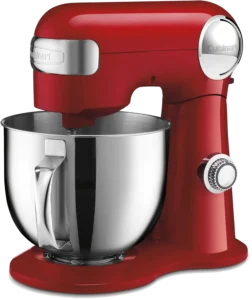
2. Cuisinart SM-50 Stand Mixer (Best Value for Money)
If you want strong performance without spending too much, the Cuisinart SM-50 is a great option. In many cases, I recommend it as part of a stand mixer comparison for buyers who want value.
It comes with a powerful 500-watt motor, which makes it suitable for heavier tasks like kneading dough. For example, if you bake bread every weekend, this mixer performs better than many budget options.
Another advantage is its build quality. The metal construction gives it a solid feel, which I always look for when designing functional kitchens. It also includes multiple attachments right out of the box, adding more value.
Best for:
Weekly bakers
Bread dough preparation
Budget-conscious buyers
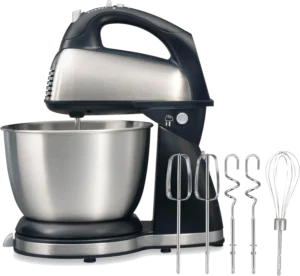
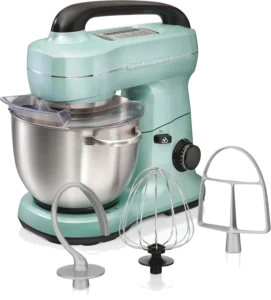
3. Hamilton Beach Electric Stand Mixer (Best Budget Pick)
For beginners, the Hamilton Beach Stand Mixer is one of the easiest ways to get started. It falls under the stand mixer under 300 category and is often even cheaper.
While it may not have the same power as premium models, it works well for simple tasks. For example, mixing cake batter, whipping cream, or preparing cookie dough is easy and efficient.
I usually suggest this for first-time buyers who are still exploring baking. It’s a practical choice if you don’t want to invest heavily right away.
Best for:
Beginners
Light baking tasks
Small kitchens
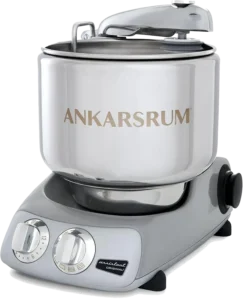
4. Ankarsrum Original Stand Mixer (Premium Pick):
If you’re serious about baking, the Ankarsrum Original is a game-changer. This is a true professional stand mixer designed for heavy-duty use.
Unlike traditional mixers, it uses a unique rotating bowl system. This makes it incredibly efficient for kneading large batches of dough. For example, if you bake sourdough regularly, this machine can handle it effortlessly.
It’s definitely a premium investment, but it offers unmatched durability and performance. Many advanced bakers consider it the best mixer for bread dough due to its power and consistency.
Best for:
Advanced home bakers
Large batch baking
Bread and sourdough lovers
Stand Mixer Comparison Table (Quick Overview):
Here’s a simple comparison to help you decide faster:
1. KitchenAid Artisan:
Power: 325W
Type: Tilt-head
Best for: Everyday baking
2. Cuisinart SM-50:
Power: 500W
Type: Tilt-head
Best for: Value and performance
3. Hamilton Beach:
Power: ~300W
Type: Tilt-head
Best for: Beginners
4. Ankarsrum Original:
Power: 600W+
Type: Bowl rotation
Best for: Professional use
From my experience, this kind of stand mixer comparison helps you quickly match your needs with the right product.
Real-Life Use Cases: Which Mixer Fits Your Lifestyle?
1. For Small Apartments and Compact Kitchens:
If you live in a small apartment, space matters a lot. I’ve worked on many compact kitchens where every inch counts.
In such cases, I recommend a compact or mid-size countertop mixer. For example, a tilt-head model fits easily under cabinets and is easier to store.
You can also use pull-out shelves or appliance garages to save space while keeping the mixer accessible.
2. For Regular Home Bakers
If you bake at least once a week, you need a reliable mixer. A mid-range model with a strong motor works best here.
For example, making cakes, cookies, and occasional bread requires consistent performance. This is where mixers like KitchenAid or Cuisinart shine.
They offer the right balance between power and convenience, making them ideal for daily use.
3. For Bread Lovers and Advanced Bakers
If you love baking bread, your needs are different. Dough is heavier and requires more power.
I always suggest going for a bowl-lift mixer or a high-powered model. These mixers handle dense dough without overheating.
For example, if you’re making sourdough every week, investing in a strong mixer saves both time and effort.
How to Use a Stand Mixer Effectively?
Many people buy a mixer but don’t use it to its full potential. From my experience, learning how to use it properly makes a big difference.
Start by understanding the right attachment for each task. For example:
Dough hook → Bread dough
Flat beater → Cake batter
Whisk → Cream and eggs
Always begin at a low speed and gradually increase. This prevents ingredients from spilling and ensures better mixing.
Also, avoid overloading the bowl. Even the best mixers perform poorly when pushed beyond their limits.
Maintenance Tips to Make Your Mixer Last 10+ Years:
A good stand mixer is a long-term investment. With proper care, it can last over a decade.
First, always clean the attachments after each use. Most are dishwasher safe, which makes cleaning easy.
Second, check the motor and gears occasionally. Some mixers require lubrication after long-term use.
Lastly, store it properly. Keep it in a dry place and avoid exposing it to moisture or heat.
Which stand mixer is best for beginners?
A budget-friendly tilt-head mixer with 300–400 watts is ideal for beginners. It handles basic baking tasks like cakes and cookies while being easy to use and affordable.
Stand mixers are essential tools for modern home baking, offering efficiency, consistency, and versatility. Choosing the right mixer depends on your baking frequency, kitchen space, and budget.
Entry-level mixers work well for light tasks, while professional models handle heavy dough and large batches. Investing in the right stand mixer improves both your cooking workflow and kitchen experience.
Final Thoughts:
Choosing the right mixer is not just about features. It’s about how it fits into your lifestyle and kitchen design.
From my experience as a kitchen expert, I always recommend balancing performance with space and style. A mixer should make your work easier, not clutter your kitchen.
Whether you go for a budget model or a premium one, focus on what you actually need. The right choice will serve you for years and make baking more enjoyable.
In the end, the goal is simple — to create a kitchen that feels comfortable, efficient, and inspiring every time you step into it.
Frequently Asked Questions (FAQs)
What is the best stand mixer for home bakers in 2026?
The best stand mixer in 2026 depends on your baking needs, kitchen space, and budget. For most home bakers, a 5-quart tilt-head mixer with at least 300–500 watts is a reliable choice. It offers the right balance between performance and affordability, making it ideal for cakes, cookies, and light bread dough. If you bake more often or in larger batches, upgrading to a bowl-lift or professional model can improve efficiency and durability.
How do I choose the best stand mixer for my budget?
Choosing the right mixer comes down to understanding how often and what you bake. A beginner can start with a budget-friendly option, while regular bakers may benefit from mid-range or premium models. The key is to balance cost with features like motor power and attachments.
Under $150 → Best for beginners and light baking
$150–$300 → Ideal for regular home baking
$300+ → Suitable for heavy use and bread dough
This approach helps you find the best stand mixers for home bakers every budget without overspending.
Is a tilt-head mixer or bowl-lift mixer better for home use?
Both types have their advantages, and the choice depends on your baking style. A tilt-head mixer is easier to use and works well for everyday tasks like cakes and cookies. On the other hand, a bowl-lift mixer is more stable and better suited for heavy dough and large batches.
If you have a small kitchen or bake occasionally, a tilt-head model is more convenient. For serious baking, especially bread, a bowl-lift mixer is a better long-term investment.
What wattage is best for a stand mixer?
Wattage plays a big role in how well your mixer performs. For basic baking, a 300-watt mixer is enough. However, if you plan to knead dough or mix thicker batters, you should look for at least 500 watts.
Higher wattage means:
Better performance with heavy dough
Longer motor life
More consistent mixing results
This is especially important when comparing models in a stand mixer comparison.
Which stand mixer is best for bread dough?
Bread dough requires a powerful and stable mixer. A model with at least 500 watts and a strong dough hook is ideal. Many experienced bakers prefer bowl-lift or professional mixers because they handle dense dough without overheating.
If you bake bread regularly, investing in a high-quality mixer ensures smoother kneading and better texture. This makes it the best mixer for bread dough in home kitchens.
Are stand mixer attachments really useful?
Yes, attachments can turn your mixer into a multi-purpose kitchen tool. Most mixers come with basic attachments like a dough hook, whisk, and flat beater. However, many brands offer additional accessories that expand functionality.
Some popular attachments include:
Pasta maker
Meat grinder
Food processor
Juice extractor
These stand mixer attachments save space and reduce the need for extra appliances.
How long does a stand mixer last?
A good stand mixer can last anywhere between 8 to 15 years, depending on usage and maintenance. Premium brands often last even longer with proper care.
To extend the lifespan:
Clean attachments after every use
Avoid overloading the motor
Store in a dry place
Check for maintenance needs occasionally
This makes a stand mixer a valuable long-term investment for any kitchen.
Is a stand mixer worth it for occasional bakers?
Yes, even occasional bakers can benefit from a stand mixer. It saves time and effort, especially when preparing batters or whipping ingredients. While a budget model is enough for light use, it still improves consistency and convenience.
For example, making cakes or cookies becomes faster and less tiring compared to hand mixing. This is why many people upgrade after trying one.
What size stand mixer should I buy for home use?
The size of your mixer should match your baking needs and household size. Smaller bowls work well for individuals or couples, while larger ones are better for families or batch baking.
3–4 quarts → Small households
5–6 quarts → Most home bakers
7+ quarts → Large batches or advanced baking
Choosing the right size ensures better performance and avoids unnecessary strain on the motor.
How does a stand mixer improve kitchen workflow?
A stand mixer makes your kitchen more efficient by handling repetitive tasks automatically. Instead of mixing by hand, you can focus on preparing other ingredients or steps.
It also fits well into modern kitchen design by:
Reducing manual effort
Saving preparation time
Improving consistency in recipes
Keeping your workflow organized
From my experience, adding a countertop mixer is one of the easiest ways to upgrade both functionality and convenience in a modern kitchen.