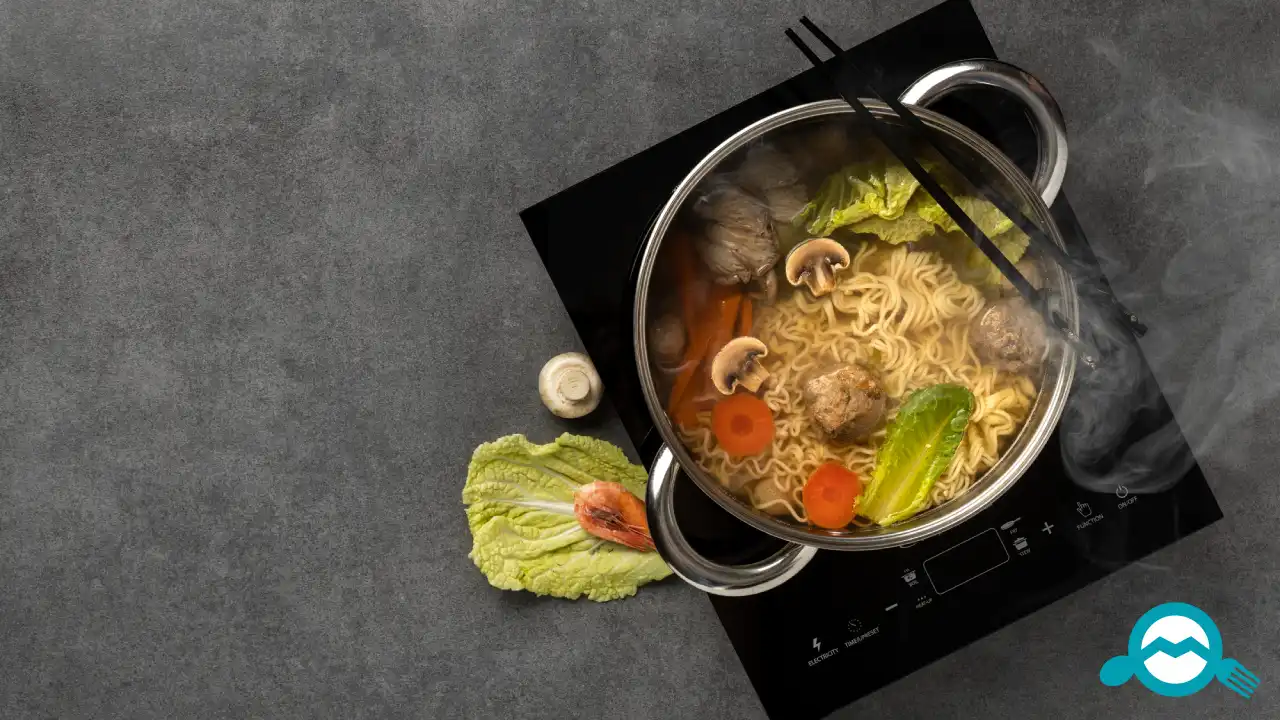
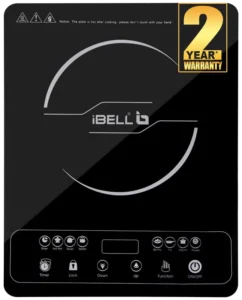
When I design modern kitchens for my clients, one thing I strongly recommend today is upgrading to the best induction cooktops home kitchens 2026.
These cooktops are not just stylish, they are also faster, safer, and more energy efficient compared to traditional cooking options.
Over the past few years, I have personally seen a major shift from gas to induction, especially in urban homes and compact apartments where efficiency matters the most.
In this detailed guide, I’ll walk you through everything you need to know — from real-world induction cooktop review insights, to how to choose the right one for your space, and my carefully ranked product recommendations.
What Makes Induction Cooktops So Popular in Modern Kitchens?
Induction cooking has quickly become a preferred choice in modern homes, and as a kitchen designer, I’ve noticed this trend growing rapidly since 2022.
One major reason is its clean and minimal look, which fits perfectly into contemporary kitchen layouts like open kitchens and modular setups. Unlike gas stoves, induction cooktops sit flush with the counter, giving a seamless finish.
Another important factor is energy efficiency. According to the U.S. Department of Energy, induction cooktops are about 85–90% efficient, while gas stoves are only around 40–55% efficient.
This means more heat goes directly into your food instead of being wasted. In real life, this translates to faster boiling times and lower electricity usage.
From a safety perspective, induction cooktops are far ahead. Since they heat the cookware directly using electromagnetic fields, the surface stays relatively cool.
This makes them a great option for families with kids. In fact, many models come with features like auto shut-off, child lock, and pan detection, making induction cooktop safety a major advantage.
Induction Stove vs Gas: Which One Should You Choose?
When clients ask me about induction stove vs gas, I always explain it based on their cooking habits and kitchen design goals.
Gas stoves offer traditional control and are preferred for certain cooking styles like roasting or using round-bottom woks. However, induction cooktops are clearly ahead in terms of speed, cleanliness, and efficiency.
For example, boiling 1 liter of water on an induction cooktop typically takes 3–4 minutes, while on gas it can take up to 7–8 minutes. That’s almost twice as fast. This makes a huge difference in busy households where time matters.
Another point is maintenance. Gas stoves often collect grease and require frequent cleaning. Induction cooktops, on the other hand, have a flat glass surface that can be wiped clean in seconds.
From a design perspective, I always recommend induction when aiming for a modern, clutter-free kitchen look.
However, one downside is cookware compatibility. Induction requires magnetic cookware, so you may need to upgrade your utensils. But honestly, most modern cookware sets already support induction, so this is becoming less of an issue.
Types of Induction Cooktops You Can Choose From:
Here are different types of induction cooktops that must choose from:
1. Portable Induction Burner
A portable induction burner is perfect for small kitchens, rental homes, or even travel use. I often recommend this to students or people living in studio apartments. These are compact, easy to move, and usually come with a single or double burner setup.
One of my clients used a best single burner induction cooktop in a tiny Bangalore apartment, and it worked surprisingly well for daily cooking. It saved space and reduced clutter on the counter.
They are also budget-friendly. You can find good models starting from ₹2,000 to ₹5,000, making them an excellent entry point for induction cooking.
2. Built-in Induction Cooktop
If you’re designing a premium kitchen, I strongly recommend a built-in induction cooktop. These are installed directly into the countertop and give a sleek, high-end finish.
From my experience, these cooktops work beautifully in open concept kitchens and kitchen islands. They also come with multiple cooking zones, allowing you to cook several dishes at once.
Brands like Bosch and Siemens offer excellent built-in models with advanced features like touch controls and smart sensors.
3. Induction Range (Cooktop + Oven Combo)
An induction range combines a cooktop with an oven, making it a complete cooking solution. This is ideal for larger homes where you need both baking and stovetop cooking in one unit.
In Western kitchens, this is very common, but I’m now seeing growing demand in Indian homes too. Especially among people who love baking or experimenting with different cuisines.
These are slightly expensive but offer a premium all-in-one experience.
Best Induction Cooktops Home Kitchens 2026 (Top Picks Ranked):
Now let’s get into the part most of you are waiting for — my curated list based on real usage, client feedback, and overall performance.
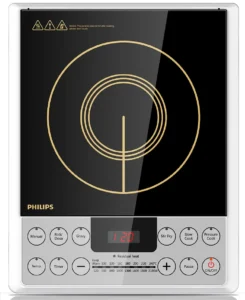
1. Philips Viva Collection HD4928/01
This is one of the most reliable options I recommend for Indian households. It’s simple, efficient, and perfect for daily use.
It comes with preset cooking menus, which makes it easy even for beginners. I’ve seen many first-time users get comfortable with induction using this model.
Key Features:
2100W power for fast cooking
Touch controls with LED display
Auto-off safety feature
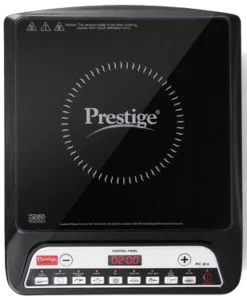
2. Prestige PIC 20
If you’re looking for a budget-friendly induction cooktop, this is a great choice. It’s compact and perfect for small families.
One of my clients used this in a rental kitchen and found it very convenient. It handles everyday cooking tasks like boiling, frying, and sautéing quite well.
Key Features:
Lightweight and portable
Indian menu presets
Energy efficient cooktop design
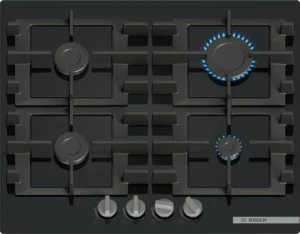
3. Bosch Serie 6 Built-in Induction Hob
For those building a luxury kitchen, this is one of the best induction range alternatives in built-in format.
It’s especially useful during power-efficient cooking needs, as it consumes less electricity compared to traditional methods.
Induction Cooktop Pros and Cons You Should Know:
Understanding the induction cooktop pros cons helps you make a smart decision.
Pros:
Faster cooking time
Easy to clean surface
Safer than gas
Energy efficient cooktop
Cons:
Requires induction-compatible cookware
Depends on electricity
Slightly higher upfront cost
From my professional experience, the benefits clearly outweigh the drawbacks, especially for modern homes.
Smart Induction Cooking Tips for Better Results:
Here are some induction cooking tips I always share with my clients:
Use flat-bottom cookware for even heating
Avoid dragging vessels to prevent scratches
Always check pan compatibility
Use the right power level for different foods
For example, when cooking dosa or pancakes, use medium heat instead of high. This gives better texture and prevents burning.
Induction cooktops are the best choice for modern kitchens because they offer fast cooking, better safety, and high energy efficiency. Compared to gas stoves, they heat cookware directly, reducing heat loss and saving time. The best induction cooktops in 2026 include models from Philips, Prestige, and Bosch, offering options for every budget and kitchen size.
If you are choosing an induction cooktop for your home kitchen, focus on power rating, safety features, and type (portable or built-in). Induction cooktops are ideal for modern kitchen design because they are energy-efficient, easy to clean, and safer than traditional gas stoves. For best results, choose a model that matches your cooking habits and kitchen layout.
Complete Buying Guide: How to Choose the Right Induction Cooktop?
When I guide homeowners through selecting the right cooktop, I always tell them that choosing an induction model is not just about brand or price.
It’s about how well the appliance fits into your daily cooking habits and overall kitchen design. A smart choice here can improve both efficiency and comfort in your cooking routine.
The first thing I always suggest is to check your cooking frequency and family size.
For example, if you cook multiple dishes at once, a built-in induction cooktop with 3 or 4 zones is a better fit. On the other hand, a portable induction burner works perfectly for bachelors or small households.
Another key factor is power rating (wattage). Most induction cooktops range between 1200W to 2200W. Higher wattage means faster cooking, but also slightly higher electricity consumption.
From my experience, a 1800W–2000W model is the sweet spot for Indian kitchens.
Key Features You Should Never Ignore:
When doing an induction cooktop review, I always look at these must-have features before recommending a product.
1. Safety Features:
Safety is one of the biggest advantages of induction cooking. Look for features like:
Auto shut-off
Child lock
Pan detection system
These features ensure that the cooktop only works when a suitable vessel is placed on it, reducing accidents.
2. Temperature Control:
Precise temperature control is something I personally love about induction cooktops. It allows you to cook delicate dishes like sauces or chocolates without burning them.
For example, while making tea, you can set the exact heat level instead of guessing like on a gas stove.
3. Timer and Preset Menus:
Preset cooking modes are extremely useful, especially for beginners. Many cooktops offer modes like boiling, frying, curry, and even dosa.
This makes cooking easier and more consistent, even if you are not an expert.
Understanding Energy Efficiency and Cost Savings:
One of the main reasons I recommend induction cooktops is because they are an energy efficient cooktop option. As mentioned earlier, they convert around 85–90% of energy into heat, which is significantly higher than gas stoves.
This efficiency directly translates into savings. According to energy studies, households using induction cooktops can reduce cooking energy usage by up to 20–30% annually. Over time, this makes a noticeable difference in electricity bills.
Also, since there is minimal heat loss, your kitchen stays cooler. This is especially beneficial in Indian climates where cooking with gas can make the kitchen uncomfortably hot.
For example, one of my clients in Bangalore switched from LPG to induction and noticed not only lower energy bills, but also a more comfortable cooking environment during summer months.
Best Induction Range vs Cooktop: What’s Better for You?
A common question I get is whether to choose a best induction range or a standalone cooktop. The answer depends on your kitchen layout and cooking needs.
An induction range is ideal if you want an all-in-one solution with both stovetop and oven. This works great in larger kitchens or homes where baking is frequent.
On the other hand, a built-in induction cooktop gives you more flexibility in kitchen design. You can pair it with a separate oven placed at a convenient height, which is something I often recommend for ergonomic kitchen layouts.
From a design expert’s point of view, built-in cooktops offer a more customized and modern look, especially in modular kitchens.
Installation and Kitchen Design Tips from My Experience:
Installing an induction cooktop is not just about placing it on a counter. As an interior designer, I always plan the placement carefully to ensure both function and aesthetics.
First, ensure proper ventilation and spacing. Even though induction cooktops don’t produce flames, they still need airflow for internal cooling systems.
Second, always place the cooktop near a power source with proper wiring. High-wattage appliances require stable electrical connections, so avoid using low-quality extensions.
I also recommend placing the cooktop at a comfortable height, usually around 32–36 inches from the floor, to reduce strain while cooking.
Maintenance and Cleaning Tips for Long-Term Use:
One of the biggest advantages of induction cooktops is how easy they are to maintain. Unlike gas stoves, there are no burners or grates to clean.
I always suggest wiping the surface with a soft cloth after every use. This prevents stains and keeps the cooktop looking new.
For tougher stains, use a mild cleaner specifically designed for glass surfaces. Avoid using abrasive scrubbers, as they can scratch the surface.
A simple habit like cleaning immediately after cooking can extend the life of your cooktop by years.
Common Mistakes to Avoid When Using Induction Cooktops:
From my experience working with homeowners, I’ve noticed a few common mistakes that people make when switching to induction.
Using non-compatible cookware
Cooking at very high heat unnecessarily
Ignoring cleaning after spills
Blocking ventilation areas
For example, one client complained about uneven cooking, and the issue turned out to be a curved-bottom pan. Switching to a flat pan solved the problem instantly.
Real-Life Example: How Induction Transformed a Modern Kitchen?
Let me share a quick example from one of my projects. I designed a compact 2BHK kitchen in Bangalore where space was limited.
We replaced a bulky gas stove with a built-in induction cooktop, which instantly freed up counter space. The kitchen looked cleaner, more modern, and easier to maintain.
The homeowner later told me that cooking became faster and more enjoyable. This is exactly why I strongly recommend induction for modern homes.
Future Trends in Induction Cooking (2026 and Beyond):
Induction technology is evolving rapidly, and I’m excited about what’s coming next. Many new models now come with smart connectivity, allowing you to control them using mobile apps.
Features like flex zones are also becoming popular, where you can place multiple pans anywhere on the surface without fixed burners.
Some high-end cooktops even offer AI-based cooking assistance, adjusting heat automatically based on the dish you’re preparing.
These innovations are making induction cooktops not just appliances, but an integral part of smart kitchens.
The best induction cooktop for home kitchens depends on your needs, but key factors include power (1800–2200W), safety features, and type (portable or built-in). Induction cooktops are more energy-efficient, safer, and faster than gas stoves, making them ideal for modern kitchens in 2026.
Induction cooktops are a smart choice for modern homes because they combine safety, speed, and energy efficiency. When selecting one, consider your kitchen size, cooking habits, and required features like temperature control and safety locks. Built-in models are best for modular kitchens, while portable ones suit small spaces and flexible use.
Final Thoughts:
If you ask me honestly, induction cooktops are no longer just an alternative — they are becoming the main choice for modern kitchens.
They align perfectly with today’s needs: clean design, fast cooking, and energy efficiency. Whether you are designing a new kitchen or upgrading your existing one, investing in a good induction cooktop is a decision you won’t regret.
Start with a model that fits your needs, learn a few basic induction cooking tips, and you’ll quickly see the difference in your daily cooking experience.
And if you are planning a full kitchen makeover, I always suggest integrating a built-in induction cooktop to achieve that sleek, modern, and future-ready kitchen design.
Frequently Asked Questions (FAQs)
What are the best induction cooktops for home kitchens in 2026?
The best induction cooktops home kitchens 2026 include a mix of portable and built-in options from trusted brands like Philips, Prestige, Bosch, and iBELL. These models stand out for their energy efficiency, safety features, and fast cooking performance. When choosing the best one, I always suggest looking at your kitchen size, cooking habits, and budget.
For example:
Portable models are great for small homes or rentals
Built-in cooktops are perfect for modern modular kitchens
Premium brands offer advanced features like smart controls
Is an induction cooktop better than a gas stove for daily cooking?
Yes, in most modern kitchens, an induction cooktop is a better option compared to gas stoves. The main advantage comes from faster cooking, better safety, and higher efficiency.
In real usage:
Induction heats cookware directly, reducing cooking time
There is no open flame, making it safer
Cleaning is much easier due to the flat surface
However, some traditional cooking styles may still prefer gas, especially for high-flame techniques.
What are the pros and cons of induction cooktops?
Understanding the induction cooktop pros cons is important before making a purchase. From my experience, the benefits clearly outweigh the drawbacks.
Pros:
Faster cooking and precise heat control
Energy efficient cooktop with less heat loss
Easy to clean and maintain
Cons:
Requires induction-compatible cookware
Depends on electricity supply
Slightly higher upfront cost
Do induction cooktops consume a lot of electricity?
No, induction cooktops are actually known for being energy efficient appliances. Even though they use electricity, they convert around 85–90% of energy into heat, which is much higher than gas stoves.
In practical terms:
Less energy is wasted
Cooking time is reduced
Overall energy bills can be lower over time
So, they are a smart long-term investment for modern homes.
Can I use normal utensils on an induction cooktop?
Not all utensils work on induction cooktops. You need magnetic cookware for proper functioning.
You can easily check compatibility by:
Placing a magnet at the base of the utensil
If it sticks, it will work on induction
Most modern stainless steel and cast iron cookware are induction-friendly, so upgrading is usually simple.
What is the ideal wattage for an induction cooktop?
The ideal wattage depends on your cooking needs, but for most home kitchens, a cooktop between 1800W to 2200W works best.
Here’s a simple guide:
1200–1500W: Light cooking or single-person use
1800–2000W: Daily family cooking (recommended)
2000W+: Faster cooking and heavy usage
I personally recommend 2000W models for Indian kitchens because they handle all types of cooking efficiently.
Are induction cooktops safe for families with children?
Yes, one of the biggest advantages of induction cooking is high safety standards. Unlike gas stoves, there is no open flame, which reduces the risk of accidents.
Most models come with:
Child lock feature
Auto shut-off system
Pan detection technology
This makes induction cooktop safety a major reason why many families are switching to it.
What is the difference between a portable induction burner and a built-in induction cooktop?
A portable induction burner is compact, movable, and ideal for small kitchens or temporary setups. A built-in induction cooktop, on the other hand, is fixed into the countertop and offers a more premium look.
Key differences:
Portable: Budget-friendly and flexible
Built-in: Stylish and suitable for modular kitchens
Built-in models usually have multiple cooking zones
I usually recommend built-in cooktops for permanent homes and portable ones for flexibility.
How do I clean and maintain an induction cooktop?
Cleaning an induction cooktop is very simple compared to gas stoves. The flat glass surface makes maintenance quick and easy.
Follow these tips:
Wipe with a soft cloth after every use
Use mild cleaners for tough stains
Avoid harsh scrubbers to prevent scratches
Regular cleaning not only keeps the cooktop looking new but also improves its lifespan.
What are some useful induction cooking tips for beginners?
If you are new to induction cooking, a few simple induction cooking tips can make a big difference in your experience.
Here are some basics:
Always use flat-bottom cookware
Start with medium heat instead of high
Avoid dragging utensils on the surface
Use preset modes for easier cooking
For example, when cooking dosa or pancakes, medium heat gives better results than high heat, ensuring even cooking without burning.